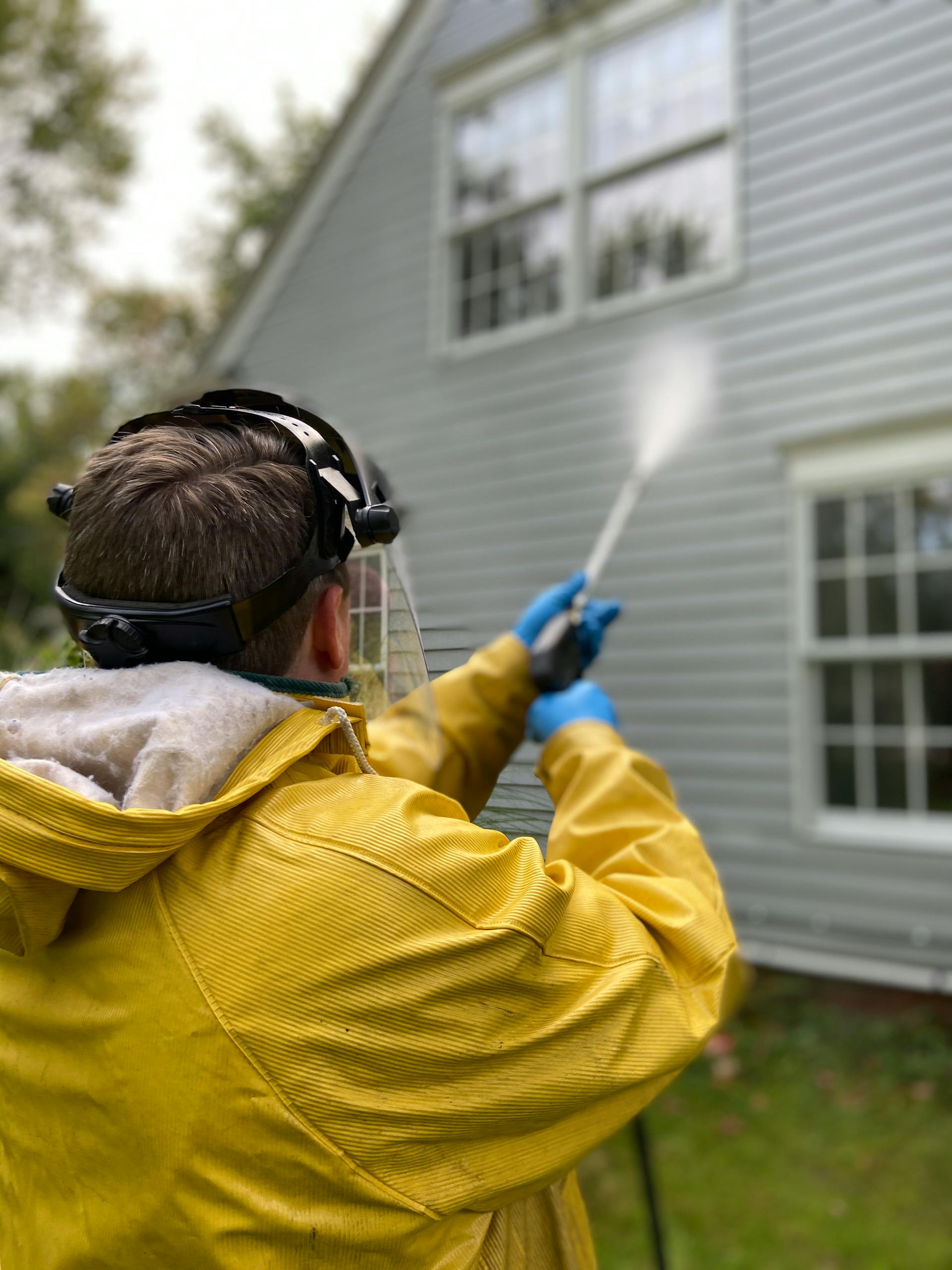
Keep the Scope Outside and Specific
Post-hurricane cleanup requests can involve mud, silt, leaf debris, soil lines, driveway residue, patio residue, sidewalk film, and drainage issues. The request should identify the exterior hard surfaces first and separate them from interior, structural, electrical, or contamination concerns.
If there is standing water, electrical risk, structural damage, sewage, chemical contamination, or unsafe access, those issues should be addressed through the appropriate specialist or authority before pressure washing is reviewed.
Exterior Areas to Document
- Driveways, sidewalks, walkways, patios, pool decks, and curbs
- Mud, silt, leaf debris, soil lines, algae, or traffic film
- Drainage paths, low spots, storm drains, and street runoff
- Gate access, water access, parking, and areas blocked by debris
- Surfaces that should not receive pressure or rinse water
Safety Boundaries to Flag First
Before exterior cleaning is reviewed, flag any standing water, electrical equipment, unstable surfaces, broken glass, sharp debris, structural movement, fuel residue, sewage concerns, or areas where access is uncertain. Those details do not make the request more complicated; they help separate exterior washing from hazards that belong with the right specialist or authority.
Photos should be taken from a safe distance. Wide photos help show the driveway, walkway, patio, or curb area without requiring anyone to step into mud, silt, or debris. Close-ups can wait until the area is safe to approach.
What to Keep Out of Scope
This guide is for exterior hard-surface planning. Interior flood cleanup, mold remediation, electrical work, structural repairs, contaminated materials, and emergency restoration should be handled through the appropriate channels before pressure washing is considered.
Group the Request by Surface
After a storm, one property can have several different exterior cleaning problems at once. Separate driveway mud from patio silt, sidewalk film from curb debris, and gutter overflow from siding marks. That makes it easier to route concrete, patio, gutter, and house-washing questions without blending them into a single vague cleanup request. When roofline debris or standing-water observations are part of the issue, the mosquito and gutter cleaning guide keeps gutter maintenance separate from storm cleanup.
Include whether the surface is concrete, pavers, brick, stone, painted material, wood, or coated decking. Also note whether debris blocks access, whether vehicles can be moved, and whether nearby drains, pools, landscaping, or low spots affect where rinse water can travel.
Related Houston Routes
Compare pressure washing, concrete cleaning, driveway cleaning, patio cleaning, and gutter cleaning. For coastal, bayou, and drainage-sensitive routing context, review area pages for League City pressure washing, Pearland pressure washing, and Humble pressure washing. Broader storm-prep context can come from the hurricane season home prep guide.